Get advice ▸

We provide
Freight Guide
top solutions

Year-round freight planning and information support designed to reduce liabilities, improve clarity, and support confident logistics decisions.

Let's get started ▸
★★★★★
from 1.250+ reviews
Freight Guide Consultation
Independent Freight & Logistics Knowledge

Understanding Global Freight. Making Better Decisions.

Practical knowledge for international shipping, air cargo transportation and global supply chains. Explore expert-led guides, industry insights and essential freight information for businesses navigating international trade.

Welcome to EarthTrain

A clearer perspective on international freight and global trade.

International freight is more than moving goods from one country to another. Every shipment involves transportation networks, carrier capacity, commercial agreements, customs procedures, documentation, cargo handling and supply chain decisions. Understanding how these elements work together helps businesses make informed decisions about cost, transit time, compliance and operational risk.

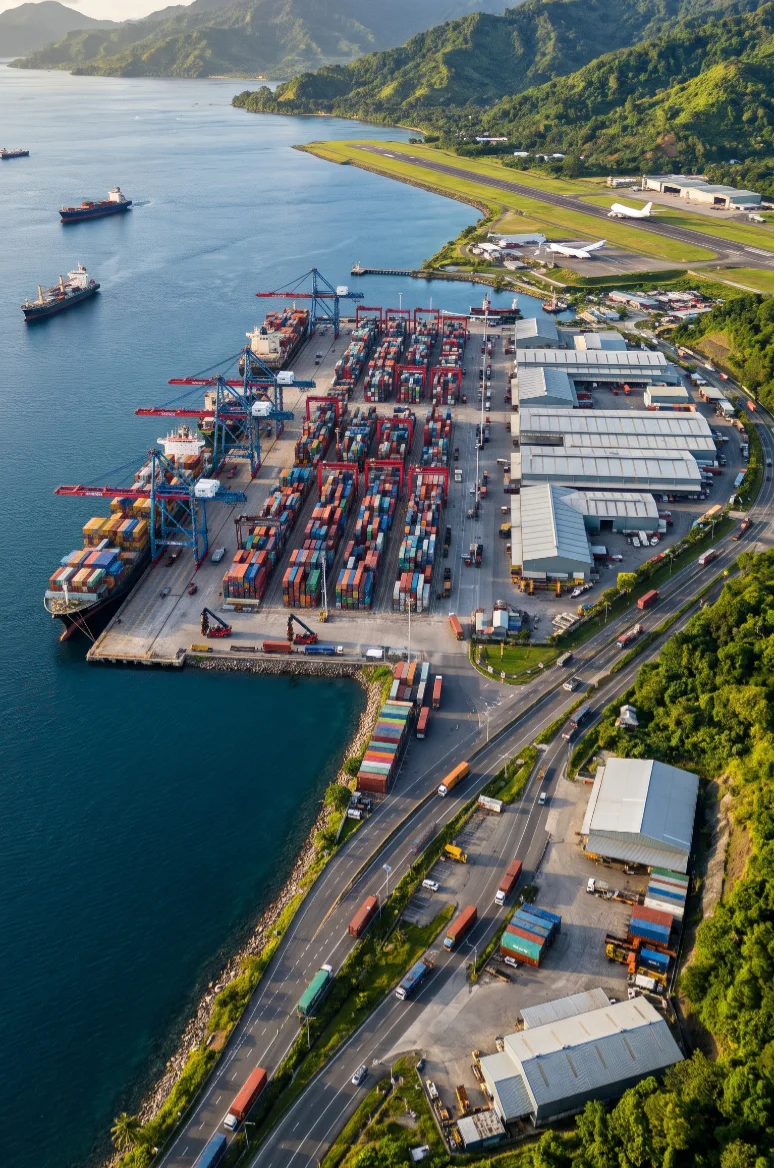
From coordinating freight to PNG to managing complex international air cargo movements, successful logistics planning starts with accurate information, a clear understanding of responsibilities and reliable knowledge of the markets involved. EarthTrain brings these subjects together through practical, research-led coverage for businesses engaged in international shipping.

Our focus is on explaining the commercial and operational realities behind freight transportation. We examine how shipping methods work, what determines transportation costs, how cargo moves through international gateways and what importers and exporters need to consider before dispatching goods.

International Freight Transportation networks and global trade
Practical Research Useful guidance beyond basic definitions
Australian Context Import, export and regulatory considerations
Industry Knowledge Operations, technology and market developments
Explore Our Coverage

Explore Topics in Global Freight & Logistics

Navigate our core subject areas to find practical information about international transportation, freight costs, cargo operations, documentation and the technologies shaping modern logistics.

01 / TRANSPORTATION

Air Freight & Aviation Networks

Explore passenger belly cargo, dedicated freighters, direct services, transhipment, aircraft capacity and international air cargo routing.

Explore aviation networks →
02 / COMMERCIAL

Freight Rates & Economics

Understand air freight pricing, chargeable weight, fuel surcharges, consolidation economics and the commercial factors behind shipping costs.

Explore freight economics →
03 / COMPLIANCE

Customs & Documentation

Learn about air waybills, customs declarations, commercial invoices, HS codes, import permits and international trade responsibilities.

Explore shipping documentation →
04 / OPERATIONS

Cargo Handling & Capacity

Discover consolidation, Unit Load Devices, cargo dimensions, handling restrictions and the operational principles of air cargo movements.

Explore cargo operations →
05 / SAFETY

Dangerous Goods & Risk

Understand dangerous goods classifications, lithium batteries, cargo restrictions, specialised handling and aviation safety requirements.

Explore cargo safety →
06 / INNOVATION

Sustainability & Technology

Explore sustainable aviation fuel, freight visibility, tracking systems, supply chain efficiency and emerging logistics practices.

Explore logistics innovation →
Industry Perspective

What Makes International Freight Work?

Behind every successful international shipment is a combination of transportation planning, commercial understanding and regulatory coordination. These are three areas every importer and exporter should understand.

Transportation Is Only One Part of the Cost

The quoted air freight rate is only one component of the total logistics expense. Chargeable weight, origin terminal charges, fuel surcharges, destination handling, customs brokerage, import duties and final delivery all contribute to the landed cost. Businesses should compare the complete shipment quotation rather than selecting a carrier solely on its headline rate.

Customs Compliance Starts Before Dispatch

Import and export procedures should be considered before the goods leave the supplier. Product classification, commercial documentation, permits, origin requirements and destination-country restrictions can influence whether cargo is accepted, released or held for further assessment.

Supply Chain Visibility Supports Better Planning

Shipment visibility involves more than tracking aircraft movements. Businesses need information about cargo acceptance, connecting flights, customs release, terminal availability and final delivery. Connecting these milestones provides a more complete picture of supply chain performance.

Research & Insights

Latest Articles

Explore specialist guides and detailed analysis covering the economics, technology and operational requirements of international air cargo.

Explore featured guides →
International aviation and global freight transportation network
Connecting freight knowledge with practical decisions
About EarthTrain

Making the complex world of international logistics easier to understand.

EarthTrain is an editorial resource focused on international freight, air cargo transportation and the wider logistics industry. Our purpose is to make complex shipping subjects more accessible through clear explanations, specialist guides and practical industry-focused information.

International logistics involves multiple transportation providers, government authorities, commercial agreements and operational processes. Understanding how these elements interact is essential for importers, exporters, procurement managers and businesses responsible for moving products across borders.

We approach freight topics from a practical perspective, exploring not only how transportation works but also why certain processes matter, where additional costs arise and what businesses should consider when planning international shipments.

International shipping education
Air cargo industry coverage
Freight cost understanding
Trade and compliance awareness
Supply chain developments
Practical business insights
More About EarthTrain →
Austin Miller, EarthTrain author
Meet the Author

Austin Miller

International Freight & Logistics Contributor

Austin Miller contributes to EarthTrain's coverage of international freight, air cargo operations and global supply chain management. His editorial focus is on explaining the practical considerations behind shipping decisions, from airline transportation and freight pricing to customs documentation, cargo handling and international trade compliance.

Through detailed guides and specialist articles, Austin aims to help readers understand the processes, terminology and commercial factors involved in moving goods across international borders.

Read Austin's Full Author Profile →
Our Editorial Approach

Research, Accuracy and Editorial Standards

Freight information is only useful when readers can understand its context, assess its relevance and distinguish established requirements from commercial practices that vary between providers.

01

Research-Led Content

Articles are developed around specific industry subjects and relevant primary sources. Regulatory explanations should be grounded in official government guidance, while operational discussions distinguish general industry practices from individual carrier conditions.

02

Practical Industry Context

Our editorial approach prioritises clear explanations, useful examples and real-world commercial considerations. Topics are examined in the context of shipping decisions, operational requirements and the responsibilities of international trade participants.

03

Regulatory Awareness

Customs, biosecurity, aviation safety and import or export requirements can change. Regulatory content should be checked against the relevant authority's current guidance and reviewed when important changes affect its accuracy.

Our Approach to Official Sources

For Australian customs matters, the Australian Border Force is an important primary reference for import declarations, export reporting, tariff classification and border procedures. Businesses should consult the official Australian Border Force import declaration guidance when determining the applicable declaration process for commercial goods entering Australia.

Biosecurity requirements require a separate assessment from customs clearance. The Department of Agriculture, Fisheries and Forestry provides the official Biosecurity Import Conditions (BICON) system, which helps importers identify whether goods are permitted, require supporting documents, need treatment or are subject to an import permit. Product-specific conditions should always be checked before an overseas shipment is dispatched.

Accuracy, Updates and Corrections

International freight is influenced by changing airline networks, market conditions, commercial agreements and regulatory requirements. A freight rate, flight schedule or carrier policy should therefore not be presented as a permanent industry-wide standard.

Our editorial standard is to distinguish general guidance from shipment-specific requirements, avoid unsupported statistics and pricing claims, identify the relevant jurisdiction when discussing regulations and make corrections when information is found to be inaccurate or outdated.

Readers should use the date and scope of each article when evaluating its relevance. For individual shipments, the requirements of the relevant authorities, airline, freight forwarder and destination-country regulators take precedence over general educational material.

Start Exploring

Build a Better Understanding of Global Air Freight.

From shipment preparation and airline capacity to international documentation, freight economics and Australian import requirements, explore our comprehensive guide to understand the complete air freight process.

Read the Ultimate Air Freight Guide →